As summer temperatures reach peak levels, commercial buildings face substantial operational stress to maintain comfortable indoor environments. High ambient heat forces cooling equipment to work at maximum performance capacity for extended durations throughout the day. Facilities managers must proactively assess system readiness before relentless summer weather impacts overall operational stability and occupant comfort. Neglecting essential cooling maintenance can lead to unexpected equipment strain, elevated energy expenses, and sudden system outages when cooling demands are highest. Establishing a thorough seasonal preparation strategy ensures that facility cooling infrastructure functions smoothly through the hottest months of the year. Investing in timely maintenance preserves building equipment integrity while preventing costly emergency repairs during critical business operations. Dependable commercial HVAC performance safeguards daily productivity and creates a welcoming atmosphere for employees, clients, and visitors alike.
Inspecting Air Filtration Assemblies
Air filters play a fundamental role in maintaining steady system airflow and preserving indoor climate quality. Over months of continuous operation, ambient dust, pollen, and industrial debris accumulate within filter material, creating significant air resistance. When airflow becomes restricted by clogged filters, internal cooling components must exert extra mechanical force to draw air through the system. This additional stress elevates operational energy usage while placing unnecessary wear on critical mechanical parts. Replacing clogged filter units before rising summer temperatures restores proper airflow and protects internal machinery from strain.
Clean filter media also prevents atmospheric contaminants from settling on delicate cooling coils and internal motor parts. Accumulated particulate matter on interior surfaces inhibits effective heat exchange and reduces overall system operational efficiency. Facility directors who schedule regular filter replacements ensure consistent cooling output throughout demanding weather conditions. Routine filter maintenance remains an effective measure for extending equipment longevity and maintaining healthy indoor air quality across commercial HVAC systems.
Cleaning Outdoor Condenser Coils
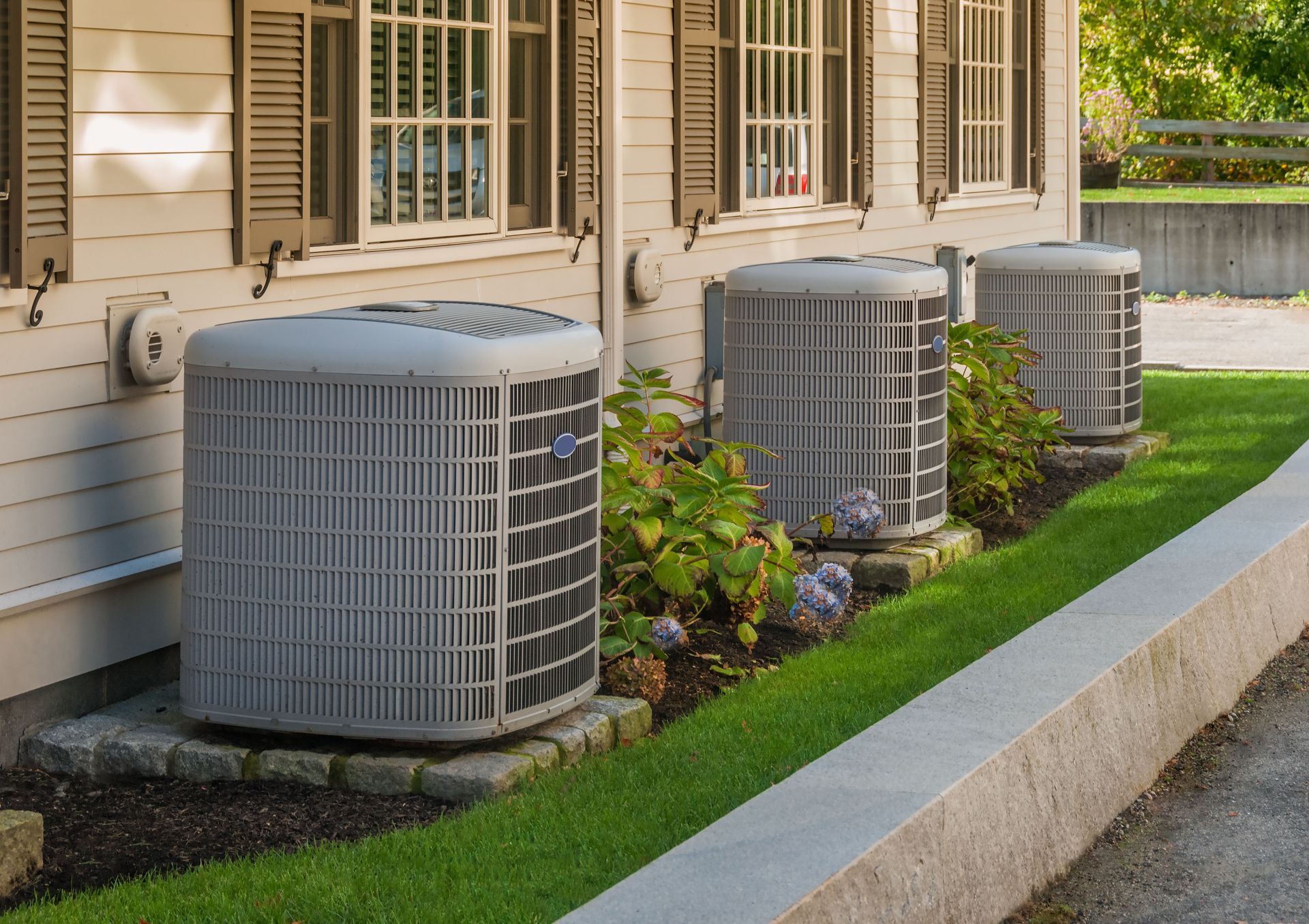
Outdoor condenser coils release thermal energy absorbed from interior building spaces into the surrounding atmospheric environment. Environmental exposure subjects exterior coil fins to dirt, foliage, airborne pollen, and urban debris that coat heat exchange surfaces. This physical accumulation forms an insulating barrier that prevents efficient heat transfer out of the system. Consequently, the cooling process becomes sluggish, forcing compressor equipment to run longer cycles to reach target temperatures. Thoroughly clearing debris from exterior coil fins restores proper thermal release capabilities before extreme weather arrives.
Regular coil cleansing reduces system operating pressure and limits internal component temperature spikes during heatwaves. Specialized washing techniques remove stubborn grime without damaging delicate aluminum coil fins or structural casing. Clean condenser surfaces allow system units to achieve optimal cooling output while consuming less electrical power during peak demand hours. Maintaining pristine coil conditions ensures dependable performance from your commercial HVAC installation when outdoor temperatures reach extreme highs.
Calibrating Internal Thermostat Controls
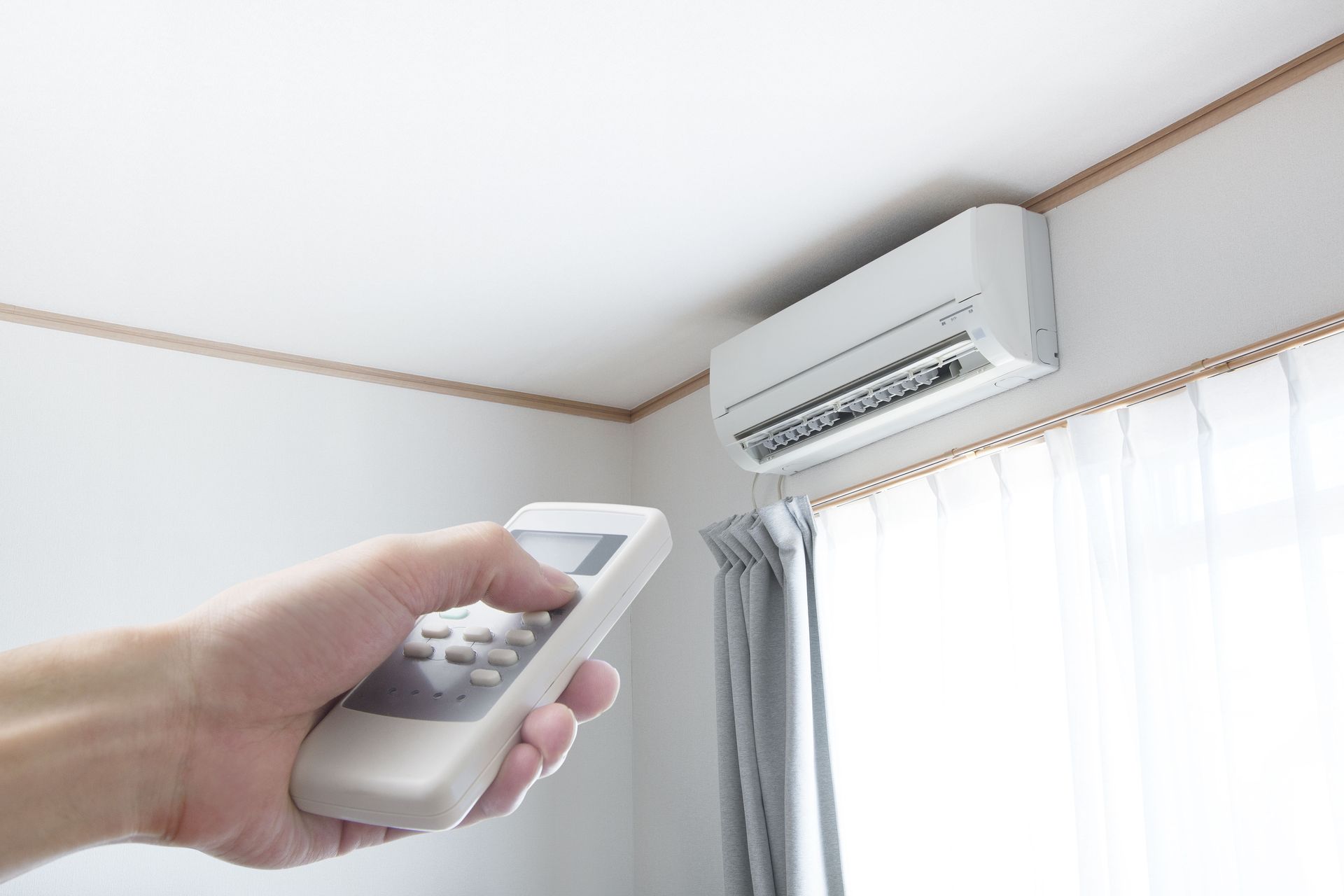
Accurate temperature monitoring forms the backbone of efficient facility climate management during warm weather seasons. Over time, electronic sensors and mechanical thermostats can drift from precise baseline settings, causing inaccurate temperature readings. Discrepancies between actual room temperature and control settings lead to frequent cooling cycling or continuous running. Re-calibrating indoor controls ensures that commercial HVAC equipment responds accurately to changing ambient conditions without overworking. Updating control schedules to align with occupancy patterns further optimizes operational energy efficiency during peak summer hours.
Modern programmable controls enable facility managers to establish setback schedules that reduce cooling demand during non-operational hours. Implementing precise temperature adjustments prevents system machinery from running needlessly when spaces remain empty. Automated setback strategies allow cooling equipment to rest during cooler overnight periods while restoring comfortable conditions before occupants arrive. Regular inspection of control wiring and sensor accuracy ensures smooth integration across complex building automation networks.
Maintaining External Equipment Clearance
Surrounding physical space directly affects how effectively exterior machinery pulls in fresh air for thermal exchange. Overgrown vegetation, stacked storage pallets, trash containers, and temporary fencing around outdoor units restrict critical air intake pathways. Restricted airflow causes heat to build around exterior machinery, reducing cooling capacity and raising operating temperatures. Clearing debris, trimming branches, and removing stored materials from the immediate vicinity of outdoor housing ensures unobstructed air movement. According to This Old House, your HVAC needs three feet of clear space beside it for airflow.
Establishing unobstructed perimeter areas around equipment housing also provides service technicians with immediate access for routine maintenance. Safe and open access pathways facilitate thorough inspections, rapid repairs, and efficient cleaning procedures. Ensuring adequate surrounding clearance protects exterior fan motors from overheating due to localized hot air recirculation. Facility managers who maintain clean perimeter zones protect valuable commercial HVAC equipment from avoidable performance bottlenecks.
Checking Fluid Refrigerant Levels
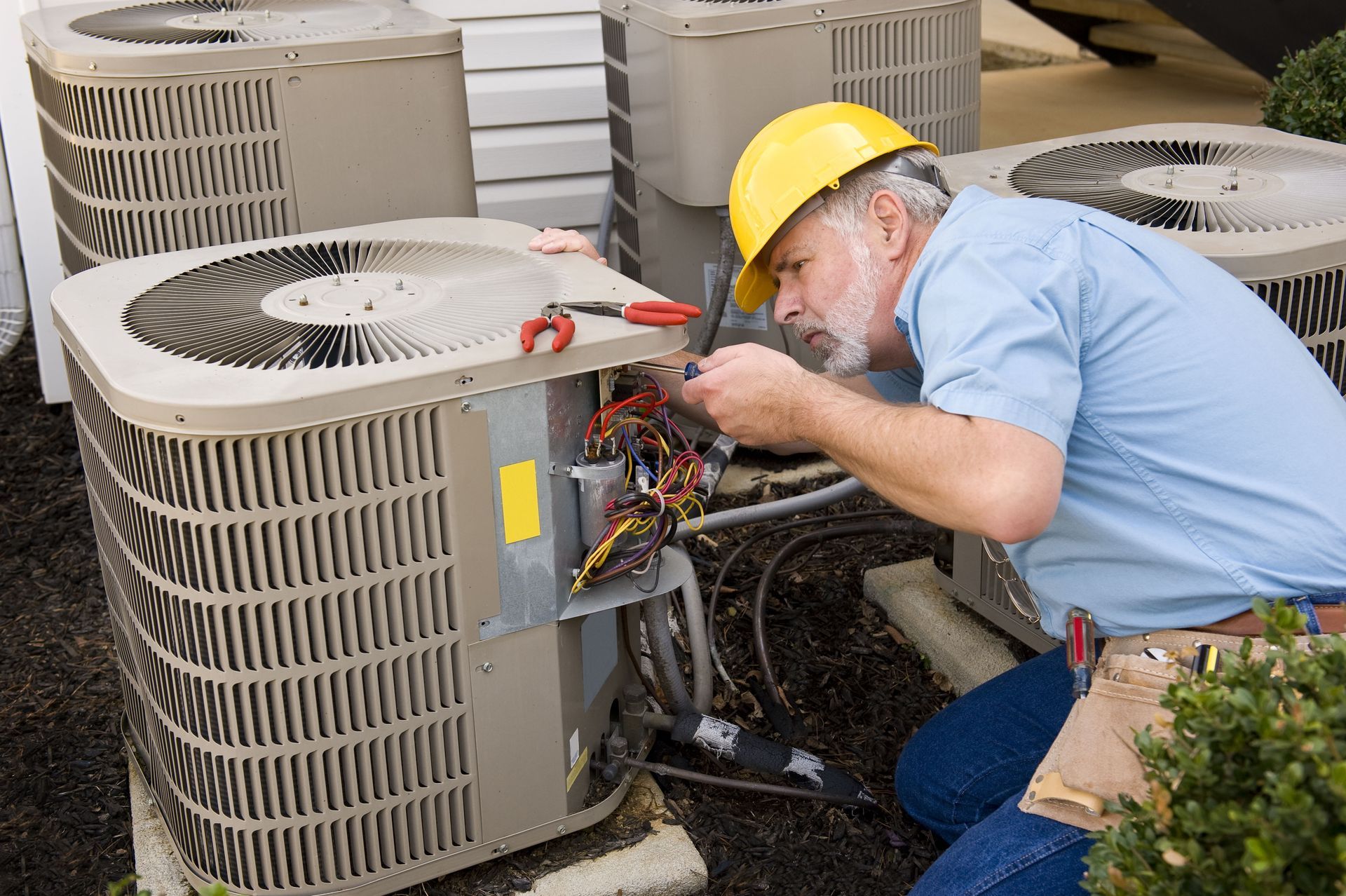
Refrigerant fluid serves as the vital heat transfer medium that extracts thermal energy from indoor air spaces. Subtle leaks in refrigerant lines or valve connections gradually reduce total fluid volume within the cooling loop. Operating with insufficient refrigerant forces compressor units to work continuously without achieving desired indoor cooling levels. This sustained strain leads to elevated energy costs, dangerous compressor overheating, and potential system failure during periods of high cooling demand. Professional fluid assessments identify minor leaks before they compromise full commercial HVAC operation.
Qualified technicians evaluate system pressure levels and inspect copper line connections for evidence of micro-leaks or mechanical stress. Restoring proper fluid levels ensures efficient heat absorption and maintains correct operating pressures throughout the cooling system. Proper refrigerant balance prevents coil icing issues that often occur when fluid levels drop below recommended thresholds. Regular fluid checks protect expensive compressor components from premature mechanical degradation during extreme heat conditions.
Servicing Mechanical Blower Motors
Blower assemblies drive cooled air through interior distribution networks to maintain balanced temperatures throughout the building structure. Heavy operational demands put continuous mechanical stress on motor bearings, drive belts, and fan wheel blades. Worn drive belts lose tension over time, leading to slippage that reduces air movement efficiency and accelerates belt wear. Inspecting belt tension, aligning drive pulleys, and lubricating bearings reduces mechanical friction during high-capacity cooling cycles. Smooth blower operation ensures uniform airflow delivery to every interior zone across the facility.
Accumulated dust on fan blades creates weight imbalances that produce excessive vibration and strain motor bearings. Cleaning fan wheel components restores balanced rotation and reduces acoustic noise across interior air distribution ducts. Regular motor service prevents unexpected mechanical breakdowns that could disrupt daily business activities during extreme heat events. Comprehensive electrical testing of blower motor circuits further verifies stable voltage draw under heavy commercial HVAC workloads.
Sealing Exposed Ductwork Connections
Conditioned air must travel through distribution ductwork without escaping into unconditioned building spaces like attics or wall cavities. Loose joints, deteriorated seam tape, and damaged flexible connections allow valuable cooled air to leak out before reaching interior rooms. Duct leaks force cooling systems to generate additional cold air to compensate for lost volume, increasing operational runtime. Sealing exposed duct connections with high-grade mastic or foil tape keeps cooled air contained within designated distribution pathways. Preventing air leakage lowers energy consumption while improving temperature consistency across distant interior offices.
Properly sealed duct systems also prevent unconditioned ambient air and dust from entering distribution networks through negative pressure gaps. Clean duct pathways preserve indoor air quality while reducing dust accumulation on sensitive interior electronic equipment. Facility managers who inspect and repair air distribution channels maximize cooling delivery efficiency during severe summer weather. Optimizing air delivery pathways allows commercial HVAC infrastructure to perform reliably when cooling demands spike.
Preparing commercial building infrastructure for severe summer weather requires proactive attention, meticulous maintenance, and systematic evaluation of all mechanical components. By inspecting air filters, cleaning condenser coils, checking refrigerant levels, and maintaining clear equipment surroundings, facility leaders prevent costly system breakdowns and maintain ideal indoor comfort. Investing in preventative care safeguards valuable physical assets, minimizes energy expenses, and supports uninterrupted daily operations. Ensure your building stays cool and efficient throughout the hottest weather by taking action today. For comprehensive preventative maintenance, expert commercial HVAC evaluations, and reliable cooling solutions, contact WB HVAC.