Spencer Burns | June 19, 2026
June 19, 2026
The scent of an unfamiliar odor coming from your cooling system can be unpleasant. It is important to address these odors quickly, as they can indicate underlying issues with the system. Strange smells can range from mildly annoying to potentially harmful if left unaddressed. Ignoring these signs can lead to health risks and costly repairs down the line. Promptly identifying the root cause ensures your home remains a safe and comfortable environment.
Understanding Common Odors
The musty smell emanating from your system often points to mold or mildew growth. Mold thrives in damp environments, and cooling systems provide ideal conditions for development when moisture accumulates. This odor is not just unpleasant but can be harmful if inhaled consistently over time. Common areas where mold may develop include the ductwork, evaporator coils, or the condensate pan. Addressing this smell promptly is key to ensuring your indoor air quality remains safe and healthy.
A sour or vinegar-like smell might suggest electrical issues or an acid build-up within the system. This odor is typically the result of failing components, which require immediate attention to prevent further damage. In some cases, this smell occurs due to excess moisture accumulation interacting with internal components. It is important to have these components checked by an expert to ensure safe operation. Disregarding this smell can lead to more severe issues involving your electrical system.
Other smells, like burning odors or a rotten egg stench, require urgent action. A burning or smoky scent can be indicative of electrical problems or overheating components within the unit. Dust buildup on electrical wires can cause this odor when the unit is turned on after long periods of disuse. Meanwhile, a sulfur smell could indicate a natural gas leak, which poses a serious safety risk to your home. If you encounter dangerous fumes, evacuate the area and contact emergency services or a qualified technician right away.
Identifying Internal Causes
One of the most common causes of unpleasant odors in cooling systems is a clogged condensate drain. When the drain is blocked, water can accumulate in the system, promoting the growth of bacteria. This stagnation creates an environment ripe for microbial growth, which is responsible for musty odors. Routine cleaning or flushing of the condensate drain can mitigate this issue and prevent further complications. Keeping this part of your system clean ensures efficient moisture removal, resulting in healthier air quality.
Filters are critical for maintaining indoor air quality by trapping particles from the air. Over time, filters can become clogged with dust, pollen, and other debris, leading to reduced airflow and increased odor production. Dirty filters not only compromise air quality but can put additional strain on your equipment. This can manifest through strange smells as the unit works harder to push air through the blocked filters. Regularly replacing filters is a simple yet effective way to maintain system efficiency and air quality in your home.
According to the US Department of Energy, 88% of homes in the United States have air conditioning, with 66% having central systems. With so many households relying on these systems, issues like electrical glitches and duct leaks are widespread. Electrical problems within a system can contribute to burning smells due to overheated components or faulty wiring. Additionally, leaks in the ductwork can allow unfiltered air, trapped debris, or foreign objects to spread smells throughout the home, making professional AC repair a necessity.
Recognizing Health Impacts
Mold exposure due to a smelly cooling system can lead to various respiratory problems. Mold spores can trigger asthma attacks, allergic reactions, or other respiratory conditions, posing a significant health risk. Particular groups, such as children and those with pre-existing respiratory conditions, are more vulnerable to these effects. Eliminating mold at its source greatly improves indoor air quality and reduces health risks. Regular maintenance is essential for preventing mold development and safeguarding household health.
Cooling systems can circulate airborne pollutants throughout the home if they are not properly maintained. Pollutants such as pollen, dust, and pet dander can be trapped in filters, leading to distinctive odors when filters are dirty. Exposure to these pollutants can cause allergic reactions, characterized by symptoms like sneezing, itchy eyes, or skin rashes. To minimize these risks, it is imperative to change filters regularly and ensure that pollutants are effectively captured before they recirculate.
Dealing with persistent odors from a cooling unit can cause stress and discomfort for household members. Constant bad smells create an unpleasant living environment, impacting mood and daily functioning. The presence of these odors can also lead to worries about underlying unit issues, causing additional anxiety. Quick identification and remediation of such smells can restore a comfortable home ambiance, ensuring a relaxed and pleasant atmosphere for all residents while preventing potential structural damage from leaks.
Implementing Preventive Measures
Routine maintenance and regular inspections of your cooling system are vital preventative measures. A well-maintained system runs efficiently, reducing the likelihood of developing issues that lead to unpleasant odors. Professional technicians can identify potential problems early, addressing them before they develop into major issues that require complex AC repair. While seemingly routine, these seasonal checkups are your first line of defense against odors and costly system failures.
Regularly changing your filters is an uncomplicated yet critical practice to promote air quality. Filters blocked with dust reduce system efficiency and allow odors to develop and circulate. To maintain optimal air quality and prevent odor issues, filters should be replaced every three to six months. This simple step can dramatically improve air quality, making breathing easier and preventing odor development. It is a cost-effective way to support the health of your system and the comfort of your home.
Proper ventilation, secured ducts, and humidity control are also key components to an efficient and odor-free system. Properly sealed ducts ensure that only filtered and conditioned air circulates throughout your home. Sealing gaps prevents external odors from entering your air delivery system, while also conserving energy. In humid climates, implementing quality dehumidifiers helps control moisture levels, reducing the likelihood of mold and associated odors from taking over your ductwork.
Seeking Professional Solutions
Cleaning or replacing air filters and flushing the condensate drain are effective DIY steps for minor issues. Applying baking soda or vinegar solutions can also serve as a natural, budget-friendly way to neutralize minor odors. Utilizing these household items can be an effective home remedy for immediate odor relief. These DIY solutions are easy to prepare and apply, promoting a fresher indoor environment when dealing with simple maintenance needs.
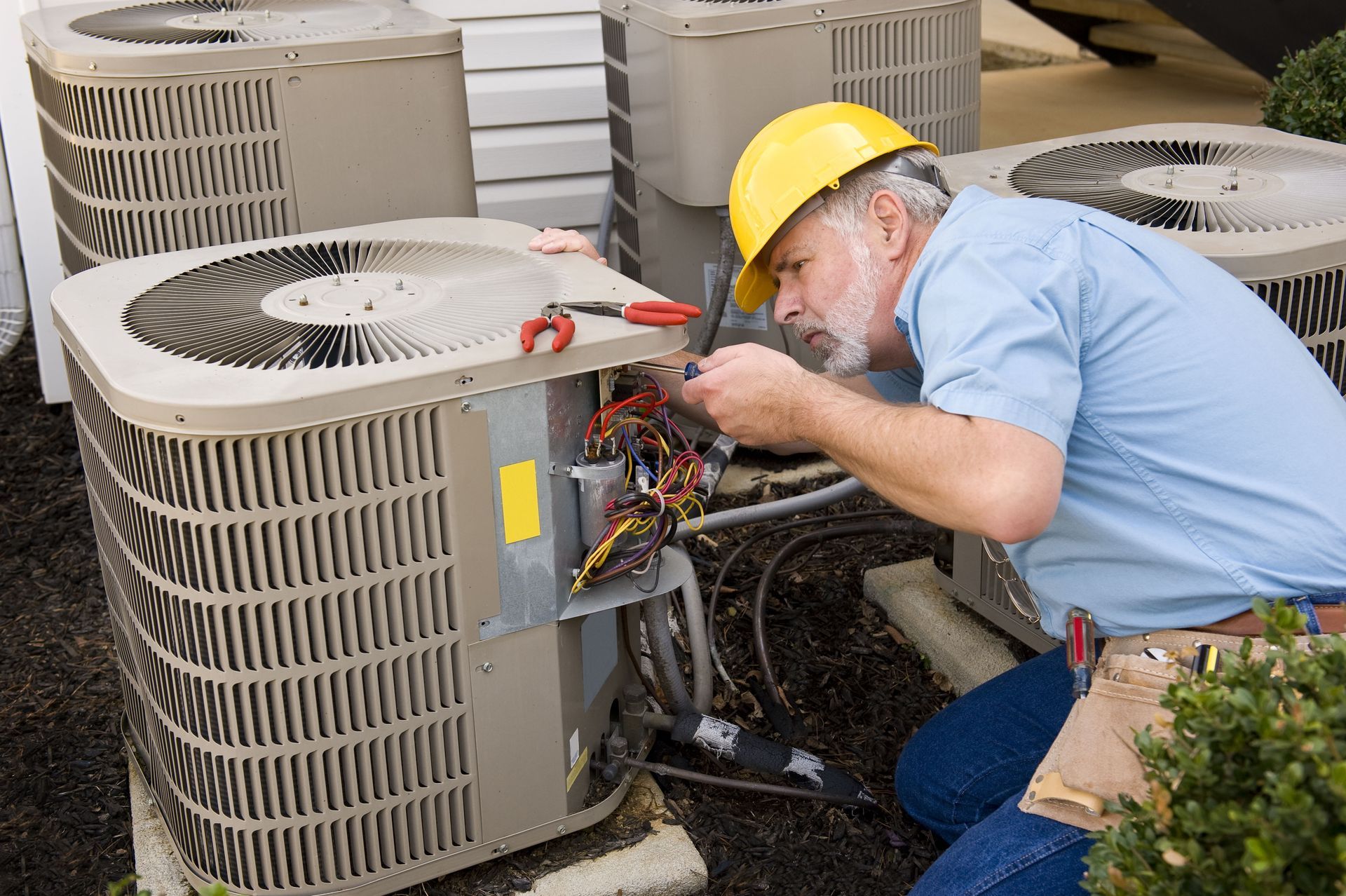
However, when odors persist despite your best efforts, it is time to schedule a professional AC repair service. Complex electrical issues, such as faulty wiring or overheating components, require specialized knowledge and tools to fix safely. Attempting to fix electrical problems without expertise can be dangerous and potentially escalate the damage. Professional technicians can quickly identify these issues, ensuring the safe and reliable operation of your entire cooling system.
Strange smells emanating from your cooling unit indicate underlying issues that require timely attention. Addressing unusual odors not only safeguards your system's functionality but also protects your health and well-being. Preventative measures such as regular maintenance, proper ventilation, and timely AC repair can significantly reduce the occurrence of unpleasant smells. Quick remediation of these odors allows for a comfortable and safe indoor environment. Prioritizing system care ensures long-term performance and a fresh, welcoming home atmosphere. For more information about the services that we offer, reach out to our incredible team at WB HVAC today!