As sweltering summer temperatures rise, so does the financial burden of keeping our living spaces comfortably cool. With an increasing global emphasis on energy conservation and rising utility rates, it has become crucial to understand and implement proven methods to reduce seasonal cooling expenses. Achieving high energy efficiency is not only an economically sound practice that protects your household budget, but it is also an environmentally responsible approach to managing home energy consumption.
Our focus will explore various strategic avenues to save on cooling costs, balancing traditional home management practices with modern technological advancements. This comprehensive guide aims to help homeowners strike the perfect balance between indoor comfort and cost efficiency by adopting smart, actionable cooling techniques this summer.
Understanding Energy Efficiency
Energy efficiency pertains to utilizing less energy to deliver the exact same level of service. When applied directly to home cooling, it means achieving a crisp, comfortable indoor climate with minimal electrical draw. This concept involves optimizing the structural performance of your home alongside the mechanical components of your appliances to consume less electricity while maintaining or improving overall comfort levels.
Modern energy-efficient solutions aim to mitigate the crushing, spiked demands of summer cooling while driving down your overall utility profile. By lowering the net demand for energy, we contribute directly to regional grid stability and reduce our collective carbon footprint.
Adopting energy-efficient practices provides a multitude of short-term and long-term benefits. Financial savings are immediate and evident, as reduced energy consumption translates directly into lower monthly utility bills. Environmentally, energy efficiency cuts down greenhouse gas emissions from power plants, making it a critical component of combating climate change. Structurally, efficiency enhances comfort by maintaining consistent indoor temperatures and eliminating frustrating hot spots between rooms. Finally, efficient practices increase the total lifespan of your mechanical systems by reducing routine wear and tear.
Optimizing Air Conditioning Systems
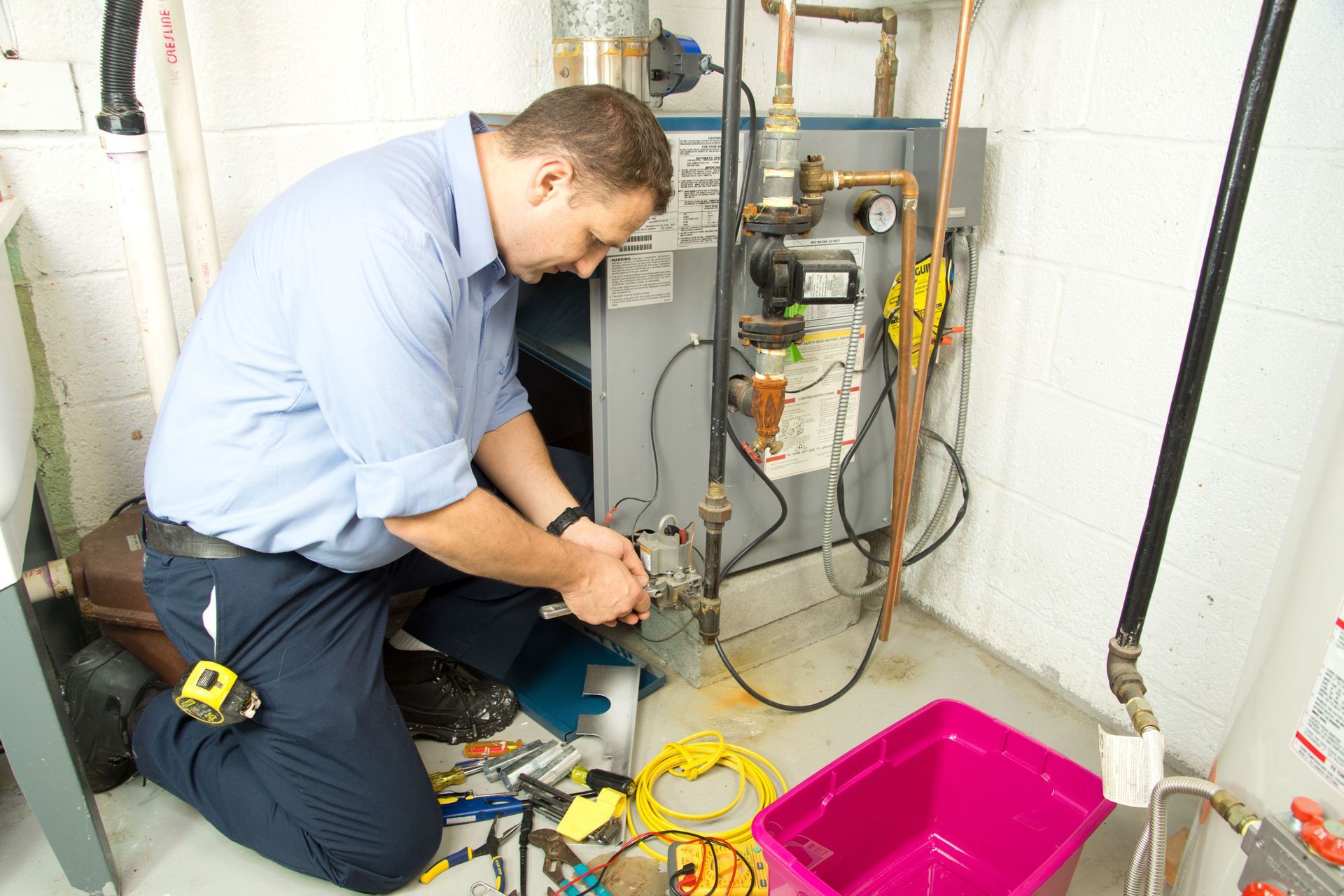
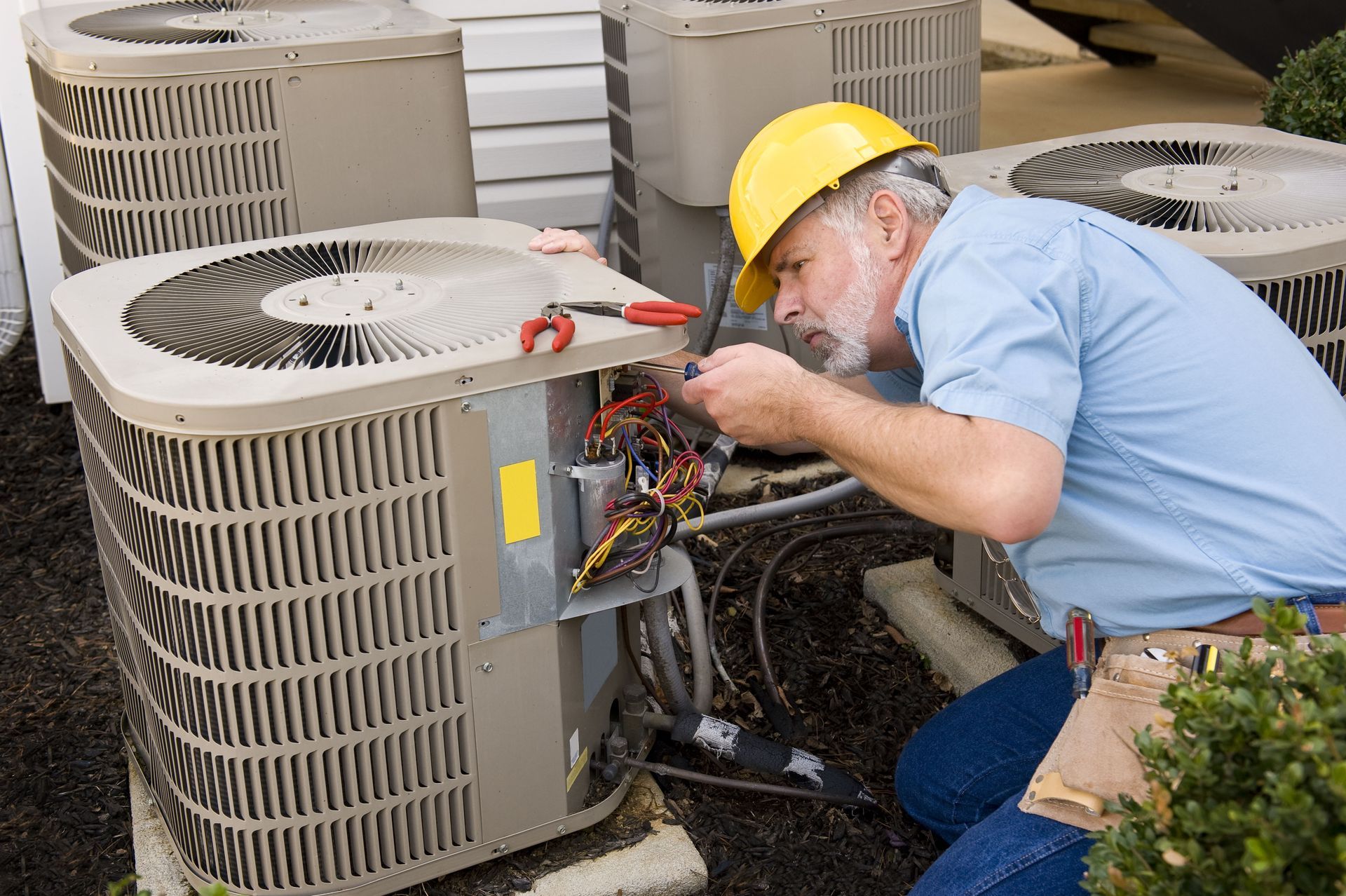
Regular maintenance and precision servicing of your cooling infrastructure are absolutely pivotal to ensuring efficient thermal operation. Scheduling an annual baseline tune-up with a licensed air conditioning contractor helps detect minor component wear and tear before it creates a systemic failure. A well-serviced system operates at peak thermodynamic capacity, using far less electricity to drop indoor temperatures.
These comprehensive check-ups should include chemical cleaning of the condenser coils, clearing the condensate drain line, testing electrical connections, and verifying that the system’s refrigerant charge is perfectly balanced. Investing in routine preventative care stops small, hidden issues from evolving into catastrophic system replacements.
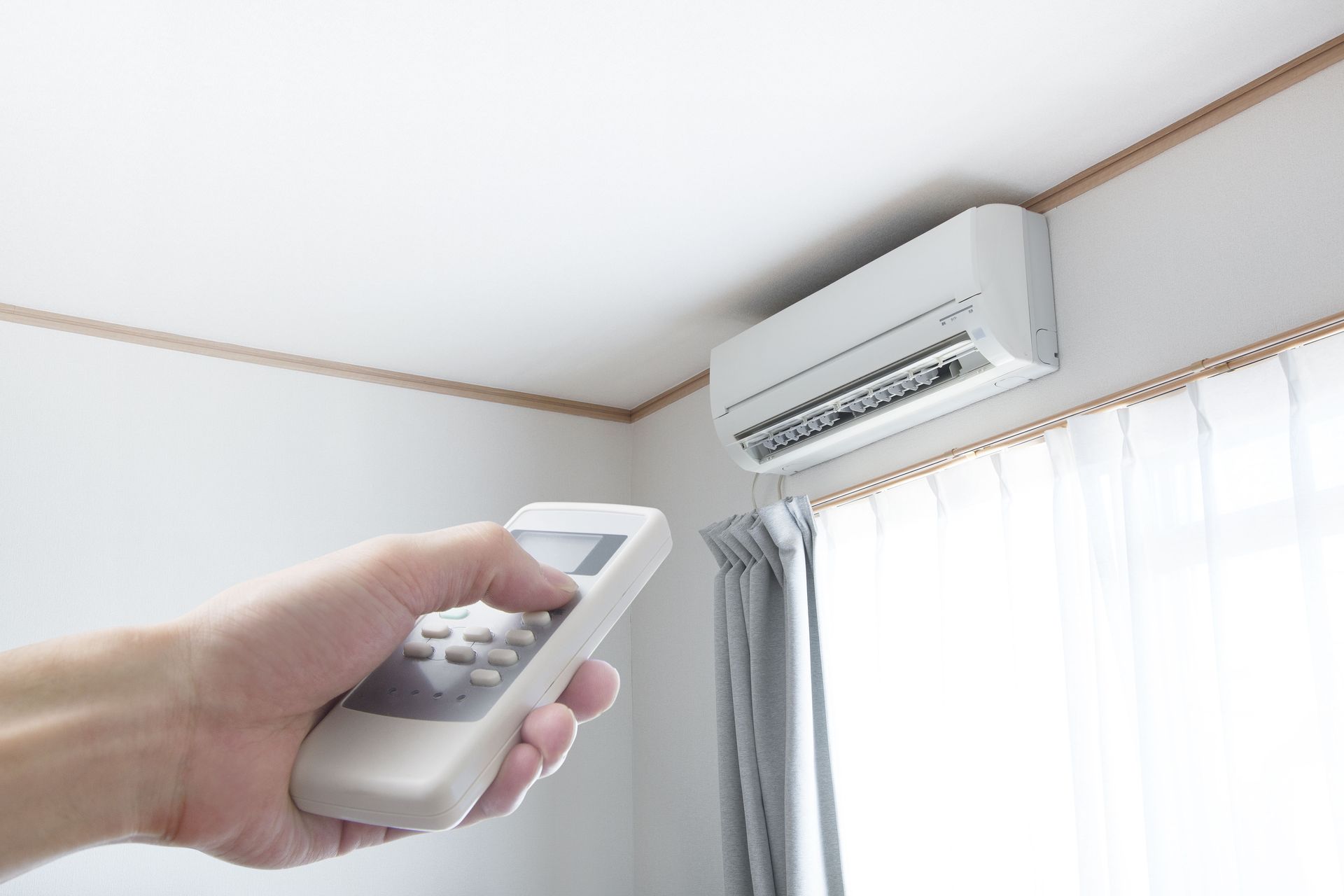
Programmable and smart thermostats can automatically deploy these adjustments based on your family's schedule, offering seamless convenience and compounding savings. Learning how to leverage these smart controls eliminates human error and keeps money in your pocket.
Air Conditioner Upgrade Options
If your central air conditioning unit is over a decade old, it is likely operating with outdated, inefficient technology. Upgrading to a modern, high-efficiency model can yield immediate financial relief. Newer units feature elevated SEER2 (Seasonal Energy Efficiency Ratio) ratings, meaning they deliver significantly more cooling output for every watt of electricity consumed.
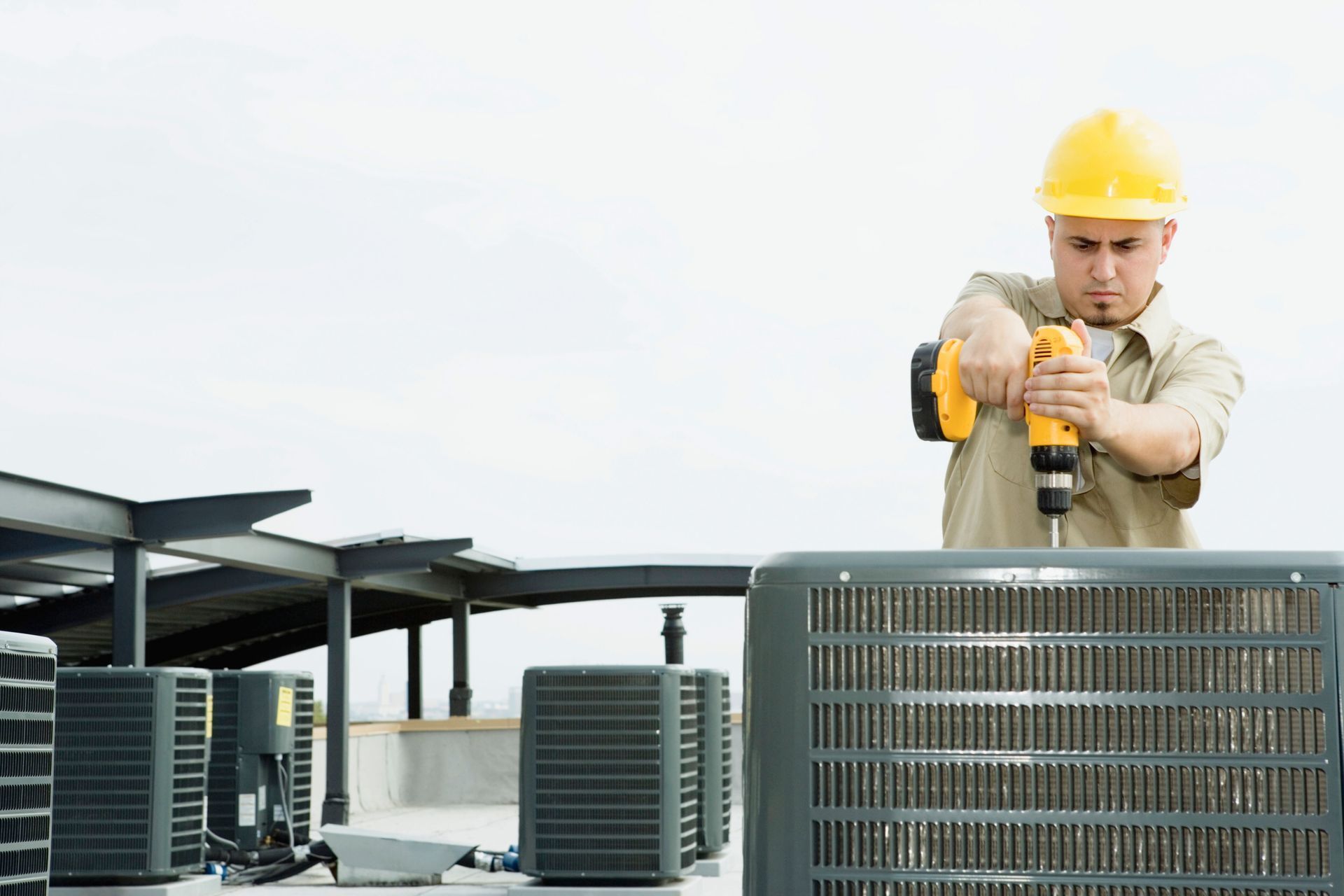
When shopping for a new system, it is vital to consult an experienced air conditioning contractor to ensure the unit is sized perfectly for your home's square footage. An oversized or undersized unit will short-cycle, skyrocket your bills, and fail prematurely. Investing in an ENERGY STAR-certified unit ensures the equipment meets strict federal efficiency guidelines. These advanced, highly efficient systems play a massive role in reducing the 35% of building electricity use attributed directly to heating and cooling.
Ventilation, Insulation, and Airflow Management
Proper ventilation and airflow management are essential to reducing your daily dependence on mechanical climate systems. Effective airflow can be achieved by strategically utilizing cross-ventilation during cooler evening hours. Ceiling fans are also useful in circulating indoor air, creating a refreshing wind-chill effect on human skin that allows you to set the thermostat a few degrees higher without sacrificing personal comfort.
Properly insulating your home completes this thermal barrier by preventing exterior heat from invading your living space. Attics, crawlspaces, and exterior wall cavities should be insulated with high R-value materials, such as fiberglass or spray foam, to lock in conditioned air. Homeowners can tackle simple sealing tasks, like applying weatherstripping to doors or adding caulking around leaky window frames.
However, for complex duct sealing or blown-in attic installations, hiring a specialized air conditioning contractor ensures that air distribution networks are perfectly sealed and balanced, maximizing your long-term energy retention.
Reducing Internal Heat Gain
Many homeowners accidentally force their cooling systems to work double-time by generating massive amounts of avoidable heat inside their own homes. Appliances are major contributors to internal heat gain. To combat this, you should schedule the use of heat-generating appliances, such as clothes dryers, dishwashers, and ovens, during the cooler late-evening or early-morning hours.
Lighting is another common culprit; replacing old incandescent light bulbs with cool-operating, energy-efficient LED bulbs drastically reduces internal ambient temperatures while slashing your baseline electricity draw.
In the kitchen, shifting your meal preparation strategies during peak summer months can yield great results. Utilizing outdoor grills, microwaves, or slow cookers instead of a conventional range keeps your kitchen from turning into a heat trap.
Furthermore, manage your electronic devices mindfully; computers, gaming consoles, and charging bricks generate constant heat and should be completely powered down or unplugged when not in use. Finally, keeping indoor humidity levels low with localized dehumidification makes the air feel naturally cooler, reducing the workload placed on your air conditioning contractor-installed systems.
Professional Insights and Local Support
While there are numerous DIY steps you can take to manage your home's microclimate, mechanical systems require professional expertise. Attempting to service or modify complex refrigeration lines without proper EPA certification can lead to system damage, voided manufacturer warranties, and costly fine compliance issues.
A trusted air conditioning contractor brings specialized diagnostic tools to check airflow velocities, evaluate compressor performance, and balance your ductwork with mathematical precision. Building a long-term relationship with an accredited air conditioning contractor ensures that your home remains protected by emergency priority service when a mid-summer heatwave strikes.
Successfully cutting down your summer cooling bills requires a balanced, intentional combination of proactive maintenance, smart technological upgrades, and mindful daily habits. By understanding the core principles of residential energy efficiency, optimizing your mechanical cooling units, enhancing your insulation barriers, and minimizing internal heat generation, you can easily maintain a crisp, refreshing indoor environment without breaking the bank.
According to the US Department of Energy, heating and cooling buildings account for 35% of all electricity use. This stark reality means that optimizing your personal climate system is the single most impactful way to take control of your household utility expenses.
If you are ready to stop overpaying for electricity and want to ensure your home's cooling system is primed to handle severe summer weather efficiently, especially in time for the season, don't leave your comfort to guesswork. Partner with a dedicated team of certified professionals who understand the intricate science of home comfort and system longevity. For a comprehensive system evaluation, precision tune-up, or high-efficiency upgrade tailored precisely to your property's layout, contact WB HVAC today. Let an air conditioning contractor from our team optimize your system so you can stay cool, save money, and enjoy peace of mind all summer long.