Spencer Burns | May 26, 2026
May 26, 2026
Upgrading an aging heating and cooling system is often necessary for businesses that want to improve efficiency, reduce repair costs, and maintain a comfortable environment for employees and customers. However, many property owners delay upgrades because they worry about downtime, tenant complaints, or interruptions to daily operations. With the right planning strategy, a commercial HVAC retrofit can be completed efficiently while keeping your business running smoothly.
Older systems often struggle to meet modern performance expectations, especially in commercial buildings with fluctuating occupancy levels, changing equipment demands, or outdated ductwork. Rising energy costs, inconsistent temperatures, and frequent emergency repairs are all signs that your building may be ready for an upgrade. A well-executed retrofit helps improve performance while avoiding the expense of a full system replacement.
Businesses in Utah also face unique heating and cooling challenges due to hot summers and cold winters. That makes proper planning even more important when replacing equipment, improving ventilation, or installing higher-efficiency systems. Working with experienced professionals helps ensure your upgrade is completed with minimal disruption and long-term value in mind.
Assessment
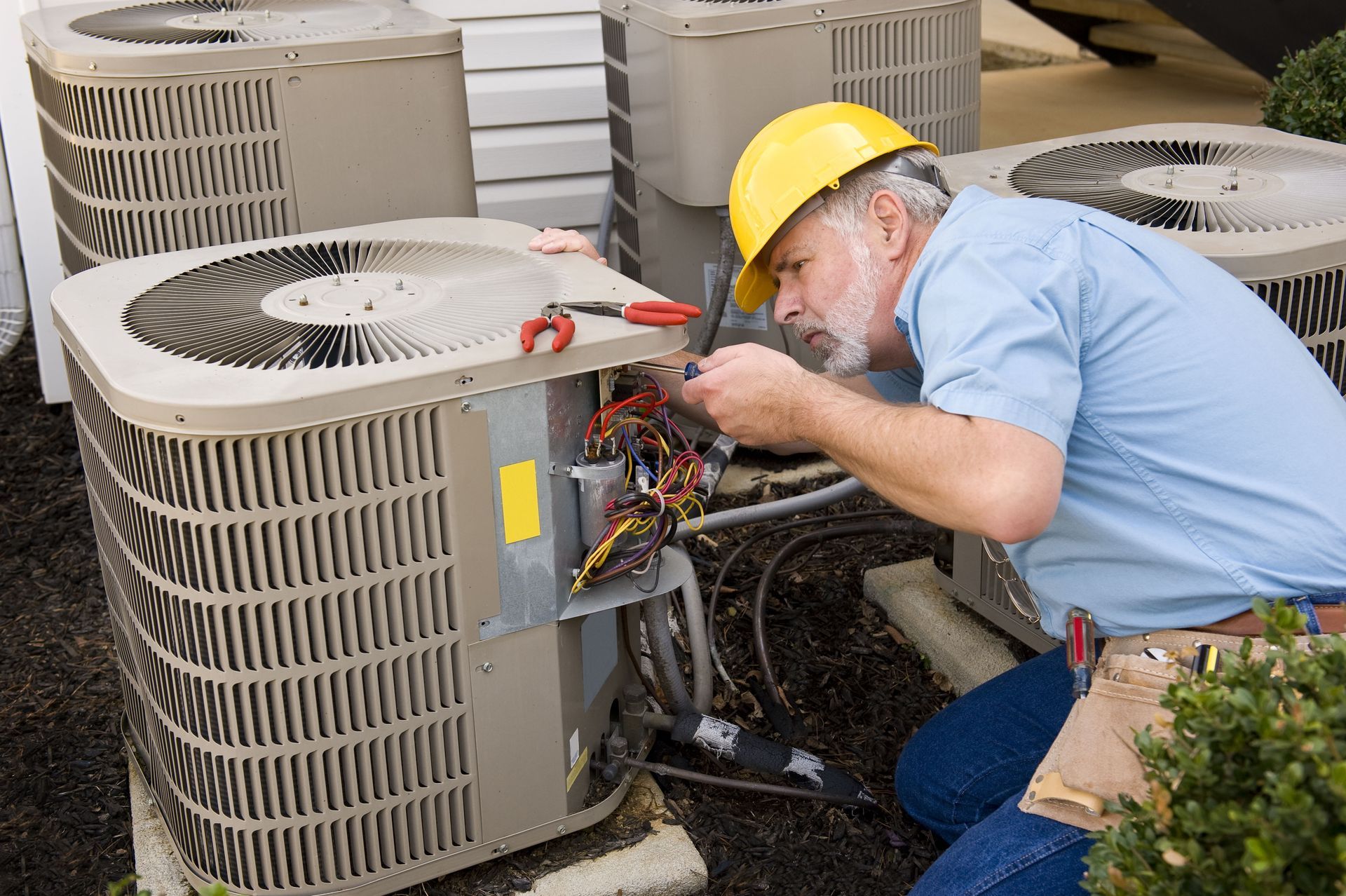
The first step in any successful retrofit is evaluating your current system. Before replacing equipment, technicians need to determine what is working, what is failing, and where efficiency losses are occurring. This often includes inspecting rooftop units, ductwork, thermostats, ventilation systems, and electrical connections.
Professional testing helps identify hidden issues that could create problems during installation. For example, outdated duct systems may not properly support newer high-efficiency equipment. If airflow restrictions exist, simply replacing the unit may not solve comfort problems. This is why many businesses invest in commercial HVAC testing before beginning retrofit projects.
Energy consumption should also be reviewed during this phase. Utility bills can reveal seasonal spikes, inefficient performance patterns, and unnecessary strain on your system. Technicians may recommend upgraded thermostats, zoning improvements, or ventilation enhancements that reduce operational costs after the retrofit is complete.
According to the U.S. Department of Energy, most air conditioning systems rely on three essential parts: the condenser coil, evaporator coil, and compressor. Understanding how these components function helps building owners make informed decisions when replacing outdated cooling equipment.
Scheduling
Careful scheduling is one of the most important factors in avoiding disruptions during a retrofit project. Businesses that operate during standard daytime hours may benefit from overnight installations, weekend work, or phased upgrades that allow portions of the building to remain fully operational.
Retail stores, office buildings, restaurants, healthcare facilities, and warehouses all have different operational needs. A commercial HVAC contractor should work closely with management teams to identify low-traffic periods and create a timeline that limits inconvenience for employees and customers.
Phased installation is particularly helpful for larger properties. Instead of shutting down an entire building, technicians can replace equipment section by section. This approach allows operations to continue while critical upgrades are completed in manageable stages.
Communication also plays a major role during this process. Employees, tenants, and customers should be informed about temporary temperature fluctuations, restricted access areas, or minor noise disruptions. Proper communication helps everyone prepare for short-term inconveniences.
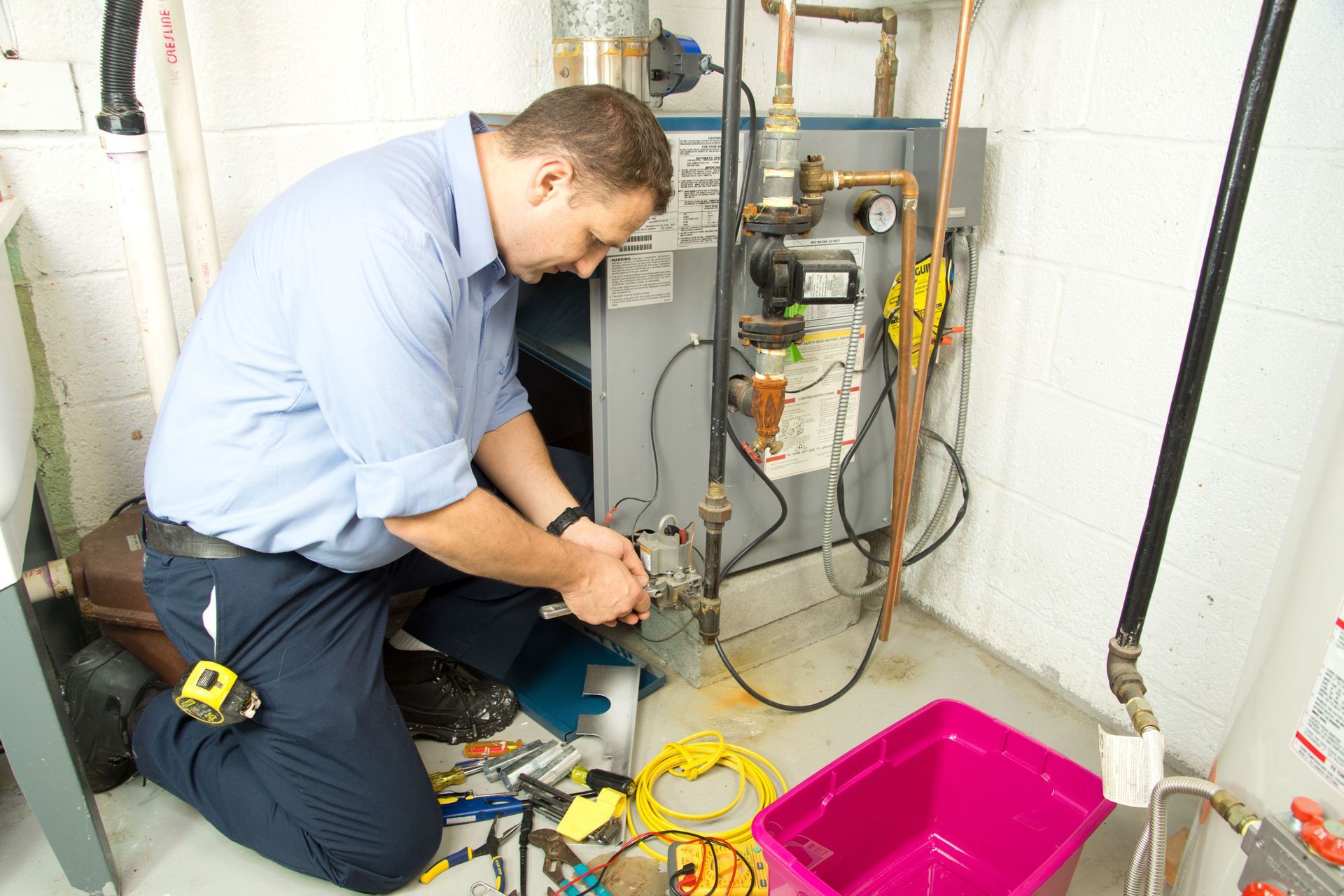
Emergency backup planning is also essential. If unexpected equipment issues arise during installation, businesses need contingency plans to maintain operations. Partnering with providers that offer emergency repair services can help minimize downtime if complications occur.
Efficiency
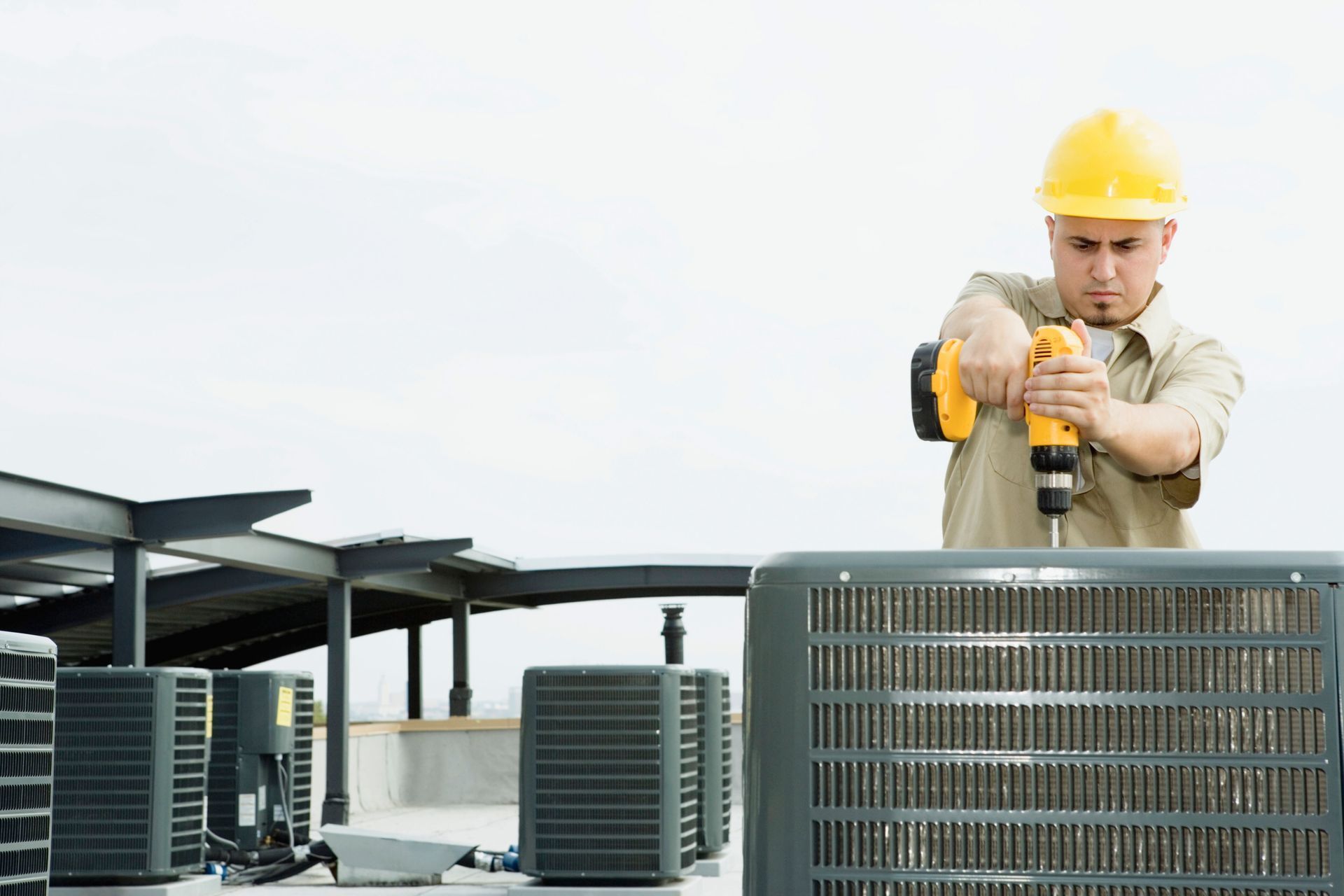
A retrofit is the perfect opportunity to improve overall building efficiency. Many older systems consume excessive energy because they were installed before modern efficiency standards became common. Replacing outdated equipment with high-efficiency commercial HVAC systems can significantly reduce operating costs.
Modern systems often include advanced technology such as smart thermostats, zoning controls, and energy-efficient compressors. These features allow building managers to better control temperatures throughout different sections of the property while reducing waste.
Ventilation improvements are another major consideration. Poor airflow can reduce comfort, lower efficiency, and negatively affect indoor air quality. Updating ductwork or installing improved ventilation systems ensures better airflow throughout the building.
Air quality upgrades can provide additional value during a retrofit project. Businesses may choose to install air purification systems, humidity control equipment, or filtration upgrades that create healthier indoor environments for employees and customers.
Preventive maintenance planning should also be part of the upgrade process. Once new commercial HVAC equipment is installed, routine inspections help protect your investment and extend system lifespan. Seasonal maintenance reduces the risk of unexpected failures and keeps your system operating efficiently year-round.
Coordination
Successful retrofits require coordination between building owners, contractors, employees, and sometimes tenants. Without proper coordination, even minor delays can create larger operational issues.
Before work begins, identify which areas of the building are most sensitive to disruption. Server rooms, healthcare spaces, restaurants, and manufacturing facilities may require specialized scheduling or temporary cooling solutions during installation.
Contractors should also coordinate equipment deliveries carefully. Large rooftop units, duct materials, and replacement parts should arrive at times that avoid interfering with customer traffic or delivery schedules.
Permits and compliance requirements should be addressed early in the planning process. Commercial buildings often must meet local codes related to ventilation, energy efficiency, and safety standards. Experienced technicians can help ensure your retrofit remains compliant throughout the project.
Choosing an experienced contractor matters because unexpected problems can arise during any retrofit. Older systems may reveal hidden electrical issues, damaged ductwork, or structural concerns once work begins. A knowledgeable commercial HVAC team can quickly adapt without causing significant delays.
Preparation
One of the most overlooked parts of a successful retrofit is preparing your building and staff before installation begins. Even the most experienced commercial HVAC contractors can face delays if access to equipment rooms is blocked, maintenance records are unavailable, or decision-makers are difficult to reach during critical stages of the project. Taking time to prepare in advance helps prevent avoidable setbacks once work starts.
Begin by gathering documentation related to your current system, including maintenance history, warranty information, repair records, and building layouts. These documents can help technicians understand recurring issues and identify whether certain components can remain in place during the retrofit. Having accurate information available allows the project team to make faster decisions and avoid unnecessary disruptions.
It’s also helpful to assign an internal point of contact who can communicate with contractors throughout the installation process. This person can coordinate employee notifications, approve schedule adjustments, and address access concerns as they arise. Strong internal communication keeps the project moving forward efficiently.
Businesses should also prepare temporary accommodations if certain areas may experience short-term comfort issues. For example, office employees may need alternate workspaces, while restaurants or retail stores may need adjusted operating hours during major equipment installations. Planning ensures your business remains flexible while the retrofit is completed.
A commercial retrofit does not have to interrupt productivity when approached with careful planning, strategic scheduling, and experienced technical support. By assessing your existing equipment, improving efficiency opportunities, and coordinating every phase of installation, your business can enjoy better comfort and lower operating costs with minimal disruption. Investing in
commercial HVAC upgrades today can help your business avoid expensive repairs and improve year-round performance.
WB HVAC provides reliable retrofit services for businesses throughout Utah, Salt Lake, Wasatch, Davis, and Weber counties. From system testing and high-efficiency upgrades to emergency repairs and ventilation improvements, our experienced team helps businesses stay comfortable without unnecessary downtime. Contact us today for a free estimate and discover how our expert solutions can keep your operations running smoothly during your next upgrade.